
Top Robotics YouTube Channels in 2026 from Japan
Robotics is a multidisciplinary field that combines mechanical engineering, electrical engineering, and computer science to create intelligent machines. Channels in this category showcase everything from DIY combat robots and Arduino projects to cutting-edge research in humanoid robotics and autonomous drones. Whether you are a hobbyist looking to build your first bot or an engineer interested in the latest industrial automation trends, you'll find a wealth of knowledge here.
Creators in this space often share detailed build logs, tutorials on electronics and soldering, and explanations of complex control systems. You'll see projects involving Raspberry Pi, ROS (Robot Operating System), and advanced sensors like LiDAR and depth cameras. The content also covers the software side, including path planning, computer vision, and the integration of Artificial Intelligence to give robots perception and decision-making capabilities.
Beyond the technical tutorials, many channels feature entertaining robot competitions, reviews of commercial robot kits, and discussions on the ethical implications of automation. From the precision of surgical robots to the agility of Boston Dynamics' creations, these videos highlight the incredible potential of robotics to transform our world.
Channels
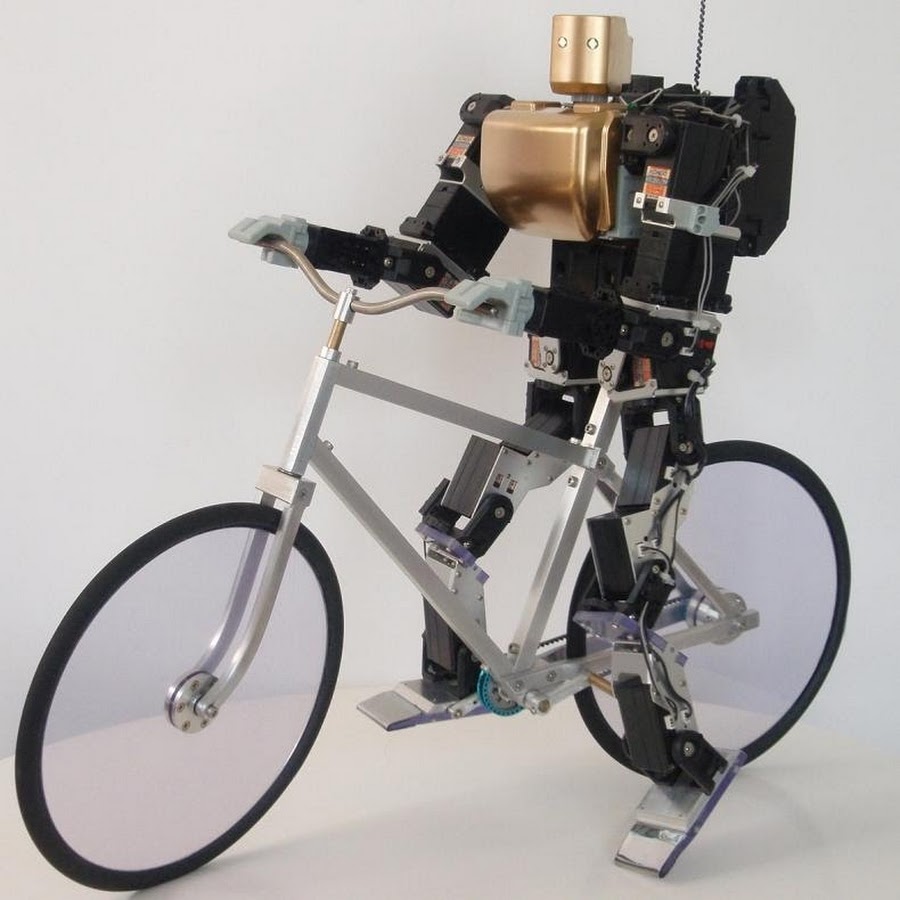
DrGuero2001
@DrGuero2001
Artificial Intelligence & Humanoid Robot

DrGuero2001 is a niche Japanese channel dedicated to artificial‑intelligence‑driven humanoid and biped robots. The creator shares hands‑on experiments that illustrate simple bio‑inspired balance control, dynamic walking, and locomotion on challenging surfaces such as sand, tightropes, and bicycles. Videos range from short demos to detailed technical explanations, often accompanied by source code and schematics. The channel emphasizes open‑source hardware, minimal‑computation control strategies, and real‑world performance testing. Viewers gain insight into practical robotics research and can replicate the projects using the provided resources.
The channel uniquely combines bio‑inspired, low‑computation balance control with openly shared hardware designs and code, offering reproducible, real‑world robot experiments rarely found in other robotics channels.
Robotics enthusiasts, engineering students, hobbyists, and researchers interested in humanoid and biped robots, AI‑based motion control, and open‑source hardware. Primarily ages 15‑45, with a focus on viewers comfortable with technical Japanese content and occasional English subtitles.

Epson Robots
@epsonrobots
Thank you for visiting the Seiko Epson robot video channel.Since 1983, Epson Robots has been a world leader in industrial robotic automation.In 2023, Epson w...

Epson Robots is a Japanese industrial robotics channel that showcases the company’s SCARA robot lineup, advanced safety features, and in‑house force‑sensor technology. The content ranges from short product demos to detailed case studies of automation solutions in automotive, wire harness, and color‑measurement applications. Viewers get insights into cutting‑edge features such as GYROPLUS technology and ISO‑certified safety options, along with practical demonstrations of force‑sensor‑enabled tightening and soldering. The channel also features bilingual presentations, making the technology accessible to both Japanese and English‑speaking audiences. Those looking to understand how Epson’s robots integrate into modern factories will find clear, industry‑specific examples and technical explanations.
Epson Robots uniquely blends proprietary force‑sensor tech with its SCARA robots, offering integrated solutions that demonstrate both safety and precision—plus bilingual, industry‑specific content that positions Epson as a leader in robotics innovation and manufacturing integration.
Manufacturing engineers, robotics integrators, industrial automation professionals, and tech enthusiasts in Japan and worldwide seeking detailed product specs, safety compliance, and real‑world application demos. Age 25‑55, primarily technical or engineering backgrounds.

HAYATAKU はやたく
@hayataku5348
This is the one and only official youtube channel of HayatakuPlease subscribe to my channel! May you spend your time with a smile. 7754コラボ依頼やお仕事依頼は↓ Contac...

HayataKu is Japan’s viral comedy powerhouse, featuring high‑energy sketches, hilarious cardboard creations, and ASMR moments. The channel curates TikTok‑style short videos, compiling them into massive 10‑minute compilations that keep viewers laughing. With over 22 million subscribers, HayataKu’s content is tailored for fans of viral humor, playful ASMR, and creative DIY‑style comedy. Every upload showcases unique cardboard props, witty scripts, and a charismatic delivery that resonates across age groups. Viewers enjoy a mix of sketch comedy, sound‑based ASMR, and the thrill of trending TikTok challenges. The channel’s approachable style makes it accessible to beginners while keeping long‑time fans engaged with fresh, relatable content.
HayataKu turns everyday cardboard into a versatile prop for comedy and ASMR, delivering massive, high‑energy compilations that blend TikTok trends with original sketches, creating a unique blend of humor and sensory delight.
Japanese and global youth aged 15‑35 who enjoy viral TikTok humor, playful ASMR, and creative cardboard comedy.
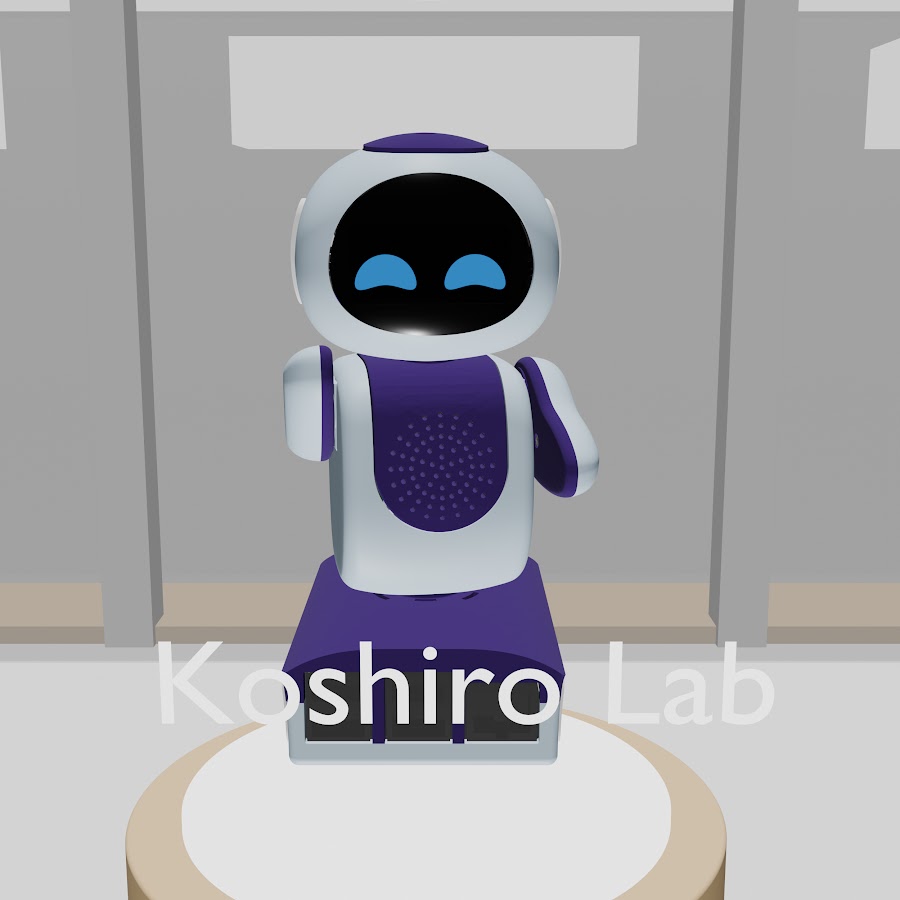
Koshiro Robot Creator
@Koshiro_Robot_Creator
I’m Koshiro, a first-year master’s student at Hiroshima University. In 2026, I’ll be focusing on developing a quadruped robot. Here on this channel, I’ll sha...

Frequently Asked Questions
How do I get started with robotics as a beginner?
The best way to start is with a hands-on kit. Platforms like Arduino and Raspberry Pi are excellent entry points because they are affordable and have huge communities with thousands of tutorials. You can start by building a simple line-following robot or a robotic arm to learn the basics of sensors, motors, and programming.
What are the key components of a robot?
Most robots consist of four main parts: Sensors (to perceive the environment), Actuators (motors/pistons to move), a Controller (the 'brain' that processes data and makes decisions), and a Power Source (batteries). Understanding how these components interact is fundamental to robotics engineering.
Do I need to know how to code to build robots?
While it is possible to build simple mechanical bots without coding, most modern robotics requires programming. C/C++ is standard for microcontrollers (like Arduino), while Python is widely used for higher-level processing, AI, and working with frameworks like ROS. Learning to code will significantly expand what your robots can do.
What is ROS and why is it important?
ROS (Robot Operating System) is a set of software libraries and tools that help you build robot applications. It provides standard ways to handle hardware abstraction, device drivers, and communication between different processes. It is the industry standard for research and complex robotics development, making it a valuable skill to learn.
Summarise.infoAI
AI-Powered Content Assistant
Summarize Videos
AI summaries for YouTube
Summarize Articles
Instant webpage summaries
Get Transcript
Full video transcripts